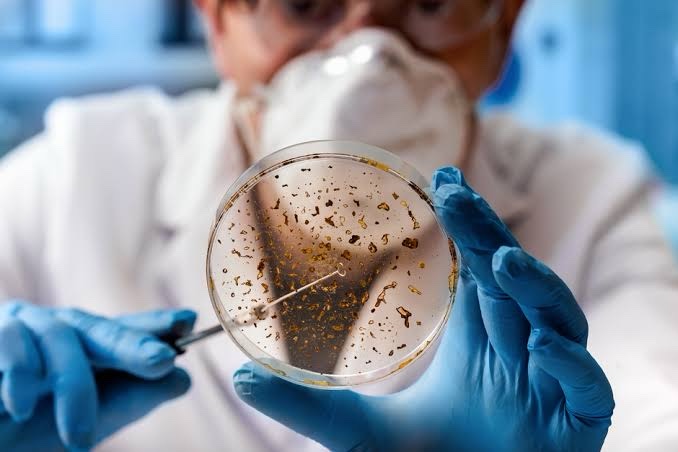
Social media has become a powerful tool in disseminating scientific knowledge, including microbiology. It serves as a platform for scientists, healthcare professionals, and educators to share discoveries, educate the public, and address global health challenges. Here’s how social media influences the world of microbiology:
Spreading Public Health Information
Social media has proven to be a rapid and effective way to spread public health information related to microbiology, especially during outbreaks of infectious diseases. Platforms like Twitter, Facebook, and Instagram allow health organizations such as the World Health Organization (WHO) and the Centers for Disease Control and Prevention (CDC) to quickly share updates on disease prevention, symptoms, and treatment options.
During the COVID-19 pandemic, social media played a pivotal role in keeping people informed about the spread of the virus, safety measures, and vaccine developments. Instant communication helped the global population stay aware of how to protect themselves from infection and adapt to changing public health guidelines.
Combating Misinformation
While social media has made microbiological information more accessible, it also presents the challenge of misinformation. Myths about diseases, vaccines, and microbial science can spread quickly, causing confusion or fear. Scientists and health professionals actively use social media to debunk false claims, correct misunderstandings, and provide accurate, evidence-based information. This makes social media a battleground where reliable scientific knowledge competes with misleading narratives.

The success of campaigns like #VaccinesWork demonstrates how social media can be harnessed to correct misconceptions about microbiology-related topics, such as vaccination and antibiotic resistance, and promote informed decision-making.
Engaging with Citizen Science
Social media platforms have made it easier for the public to engage with microbiology through citizen science projects. These projects invite non-scientists to contribute to scientific research, such as tracking microbial life in their environment or monitoring disease outbreaks. Apps and social media groups connect people interested in microbiology with ongoing projects, expanding the reach of scientific research beyond laboratories.
This engagement helps increase public understanding of microbiology and encourages individuals to take an active role in scientific discovery, fostering a more science-literate society.
Promoting Research and Innovation
Social media allows researchers to share their microbiological discoveries in real-time, providing an open forum for discussion and collaboration. Platforms like LinkedIn, Twitter, and ResearchGate allow scientists to share papers, discuss new findings, and gather feedback from peers across the globe. This democratization of information accelerates the spread of knowledge, making microbiological breakthroughs accessible to a broader audience.
Researchers can also use social media to garner public interest and support for microbiological research. Crowdfunding campaigns for projects or raising awareness about pressing issues like antimicrobial resistance (AMR) often gain traction on social media, drawing attention from both the scientific community and the general public.
Changing the Narrative Around Microbes
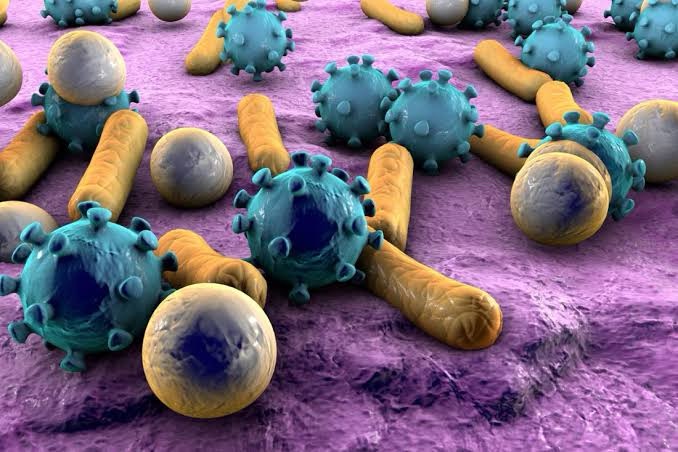
Historically, microbes were often viewed negatively as the cause of disease and infection. Social media is helping to change this perception by highlighting the beneficial roles microbes play in various industries and ecosystems. Through engaging posts, videos, and infographics, social media content creators and microbiologists showcase the positive impact of microbes in areas like food production, environmental sustainability, and health.
For example, posts about probiotics, gut health, and fermentation have helped popularize the idea that not all microbes are harmful. The awareness generated through social media has improved public understanding of the diversity of microbial life and its essential role in maintaining ecological balance and human well-being.
Building Global Scientific Communities
Social media helps connect microbiologists from different countries, backgrounds, and fields of expertise. Online groups, forums, and hashtags create spaces where professionals can exchange ideas, collaborate on projects, and stay updated on the latest trends in microbiology. These global communities promote interdisciplinary research and foster partnerships that advance scientific progress in microbiology worldwide.
In conclusion, social media has transformed the way microbiology interacts with the world. It has amplified the reach of public health information, supported the fight against misinformation, promoted citizen science, and contributed to the changing perception of microbes. In an increasingly connected world, social media is a critical tool for ensuring that microbiological knowledge and advancements benefit society on a global scale.
 Site Title